Introduction: Why Can’t You Get a Straight Answer on Cost?
If this is your first time working with a Chinese furniture factory, your natural first question is: “How much does a full set of villa furniture cost?” It deserves a straight answer—yet there isn’t one. Not because factories are evasive, but because whole house customization is a project, not a product. A quote only becomes meaningful once your scope, materials, and delivery conditions are defined.
From the perspective of a source factory with 16 years of export experience, this guide breaks down the real cost structure behind whole house customization—so you can approach any quote with clarity and confidence, and keep your sourcing budget under control from day one.
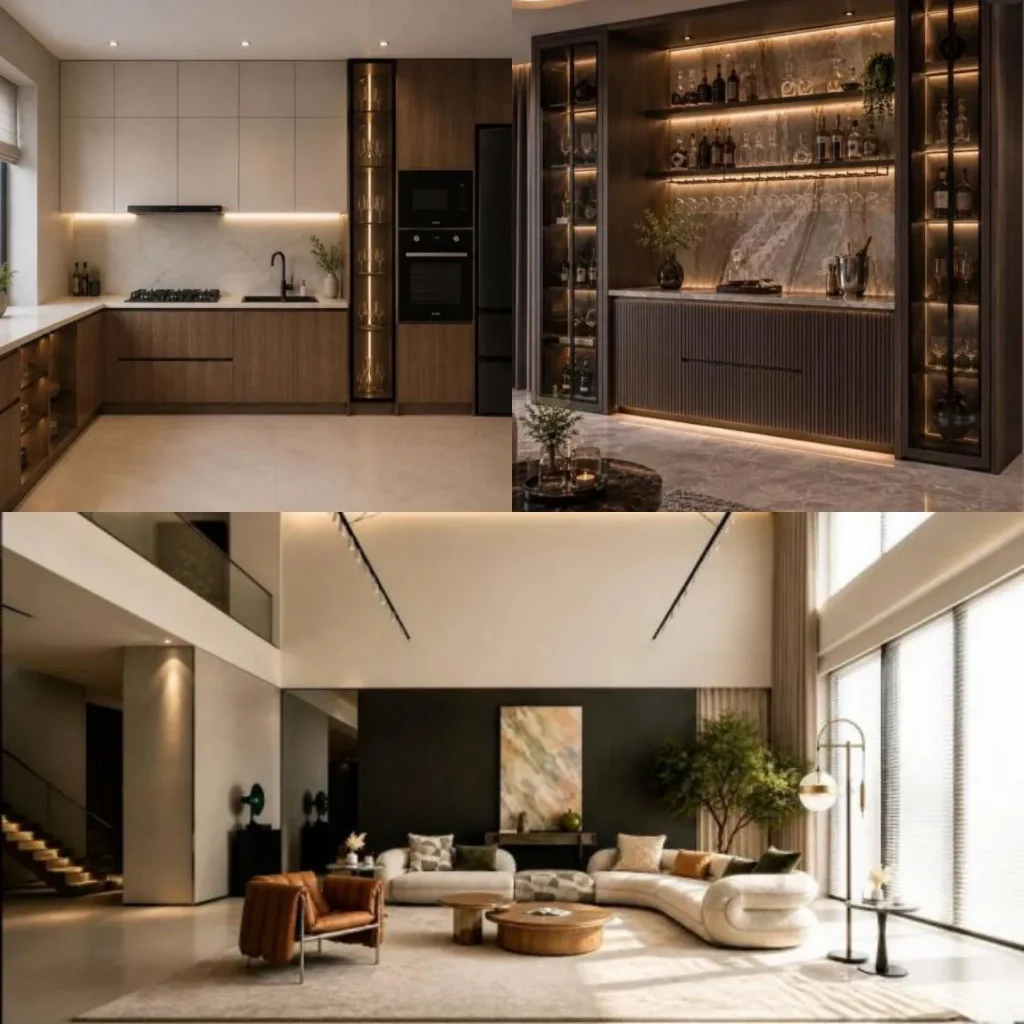
The Three Core Cost Components of Whole House Customization
Before you compare quotes from different suppliers, understand where your money actually goes. Nearly every project budget splits into three modules:
| Cost Module | Estimated Share | Key Determinants |
| Product (fixed + loose furniture) | 50–60% | Material, finish, hardware, structural complexity |
| Design deepening + sampling | 10–15% | Drawing completeness, sample iterations, communication efficiency |
| International logistics + delivery | 25–35% | Product volume, packaging solution, shipping mode, destination duties |
A critical insight: the lowest quote rarely results in the lowest final cost. Hidden extras—rework, delays, damage claims, last-minute add-ons—often turn a “cheap” quote into an expensive one.
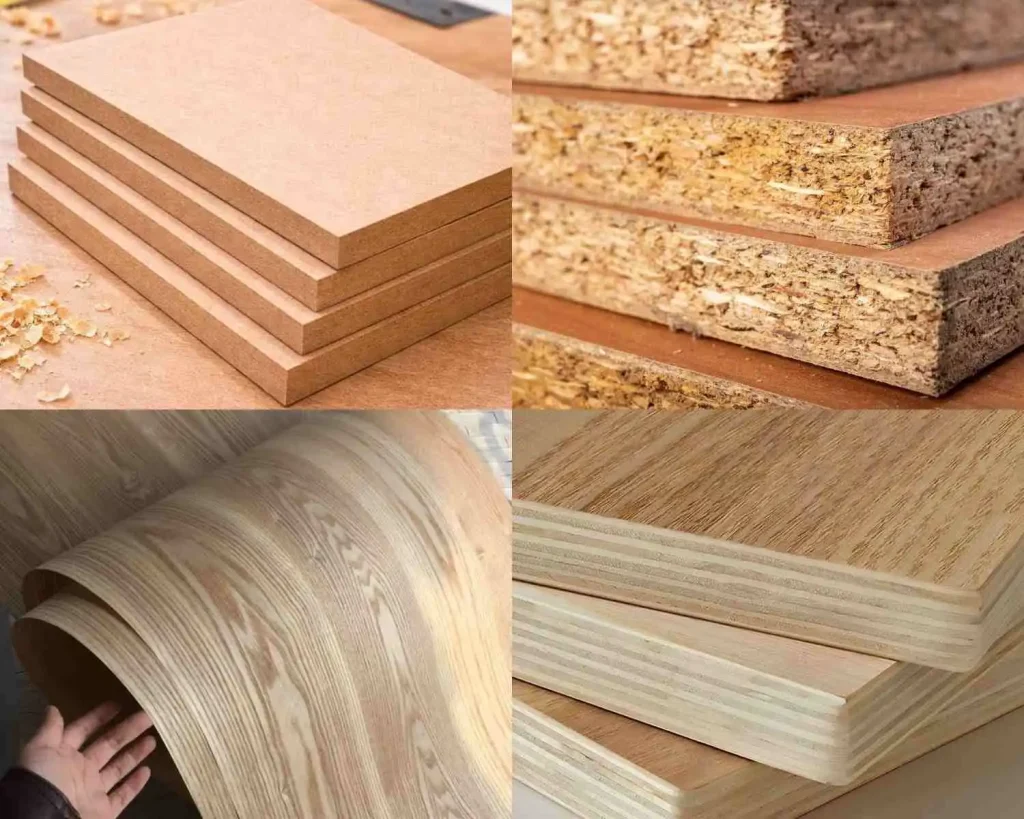
Three “Dividing Lines” That Shape Your Final Cost
Between the first quote and the final invoice, three dividing lines decide whether your project stays on budget—or quietly exceeds it.
Dividing Line ①: Design Deepening Capability
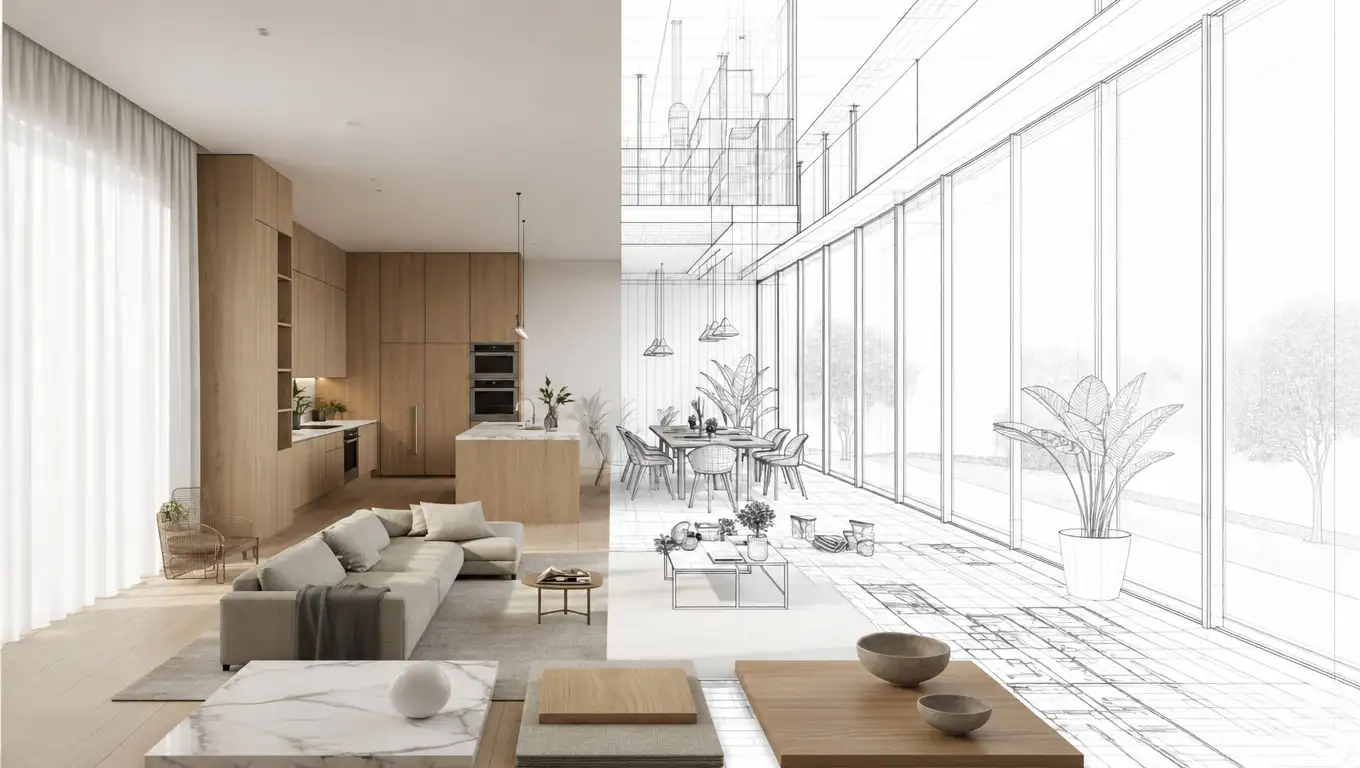
Overseas drawings typically show visual effect—not structural detail. A factory’s ability to convert your renderings into production-ready shop drawings directly impacts:
- Communication efficiency and cost— clearer drawings mean fewer back-and-forth rounds
- Whether on-site installation aligns perfectly with the design
- Material utilization rate— directly affects product cost
What 16 years of export experience brings: we’ve worked on enough overseas projects to know which structural approaches work best—for both aesthetics and the realities of ocean freight and overseas installation.
Dividing Line ②: Packaging & Logistics Strategy
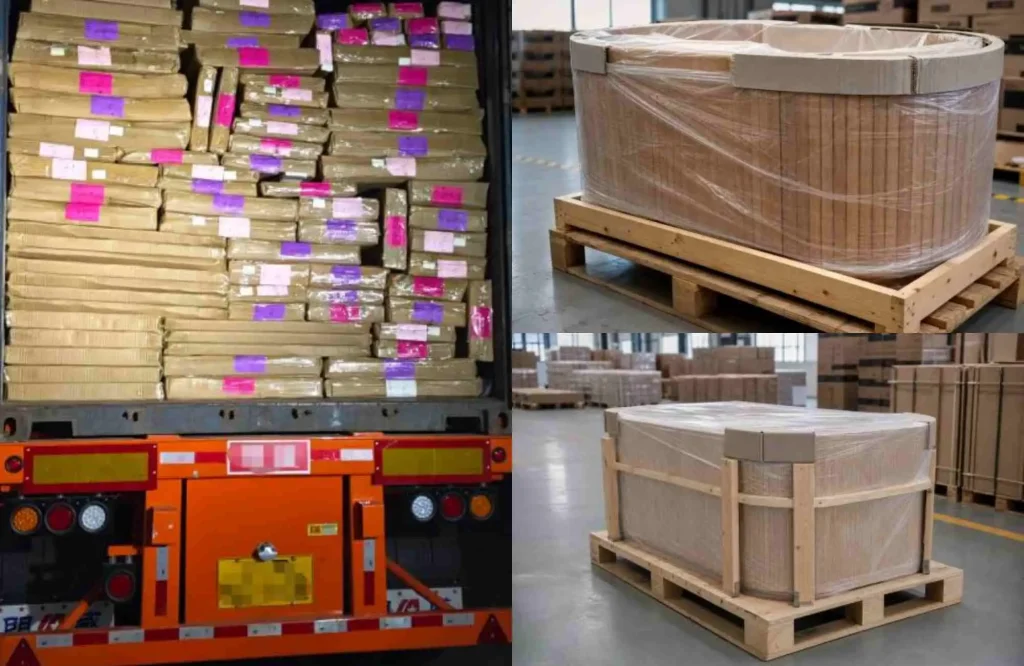
Many buyers focus on product price and overlook how packaging and logistics affect total cost. The same product, with different packaging approaches, can mean:
- Damage rate from 5% down to under 0.5%
- Container space utilization improved by 20–30%
- Smoother customs clearance at destination (clear labeling)
This is not about “how much the freight costs”—it’s about whether your goods are still usable upon arrival.
Dividing Line ③: Overseas Installation Support & After-Sales
Overseas installation is the “last mile” of any whole-house project—and the most common point of failure. A mature export factory provides:
- Part-numbering system: every panel has a unique ID for local assembly
- Installation drawings & video guides: detailed instructions for complex joints
- Remote support: real-time video assistance when issues arise
Skipping this support might save a few thousand dollars in guidance fees—but could cost tens of thousands in rework.
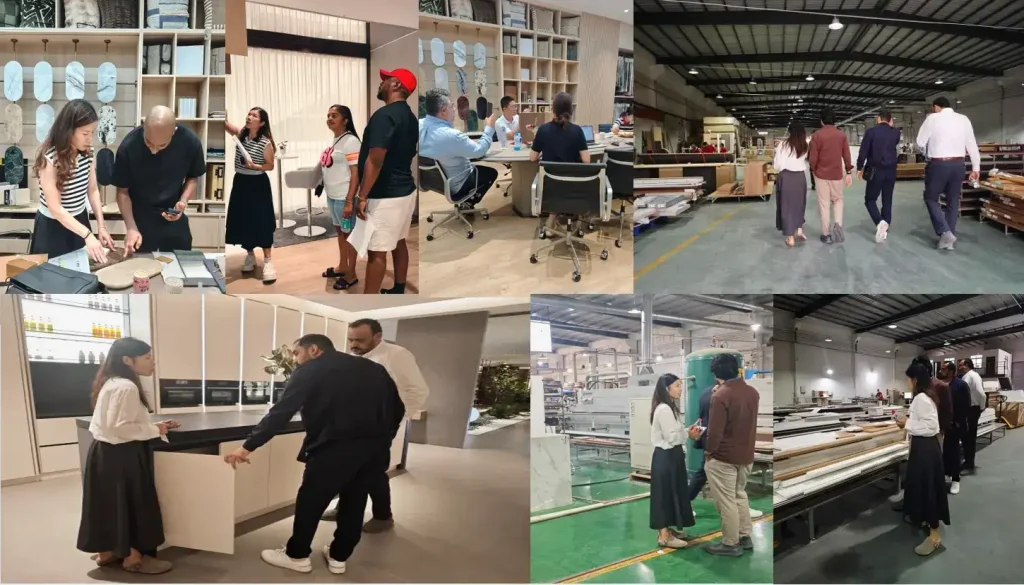
Golden Principles for Cost Control
Principle ①: The More Detailed Your Drawings, the More Predictable Your Cost
Provide CAD files, renderings, or clear hand sketches. This minimizes miscommunication and reduces costly sample revisions. Complete information = fewer sample rounds = lower overall cost.
A factory with true flexible customization capability can read CAD, interpret renderings, and even capture design intent from hand sketches—this alone is key to reducing communication costs.
Principle ②: Sampling Is an Investment, Not an Expense
Many buyers try to skip sampling to save money, viewing it as an added cost. In reality, sampling is the best investment in whole house customization. A 1:1 partial sample or a set of color swatches can prevent a costly full-batch mismatch—the classic “goods don’t match the rendering” disaster.
A professional export factory supports small-batch sampling and only moves to mass production after sample approval. This is the safest path for overseas sourcing.
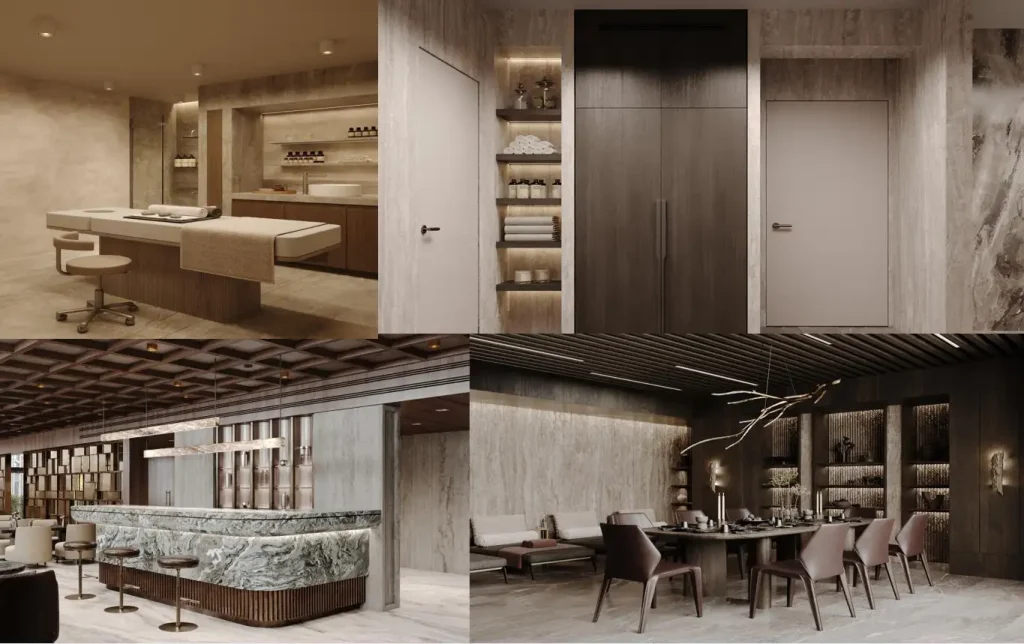
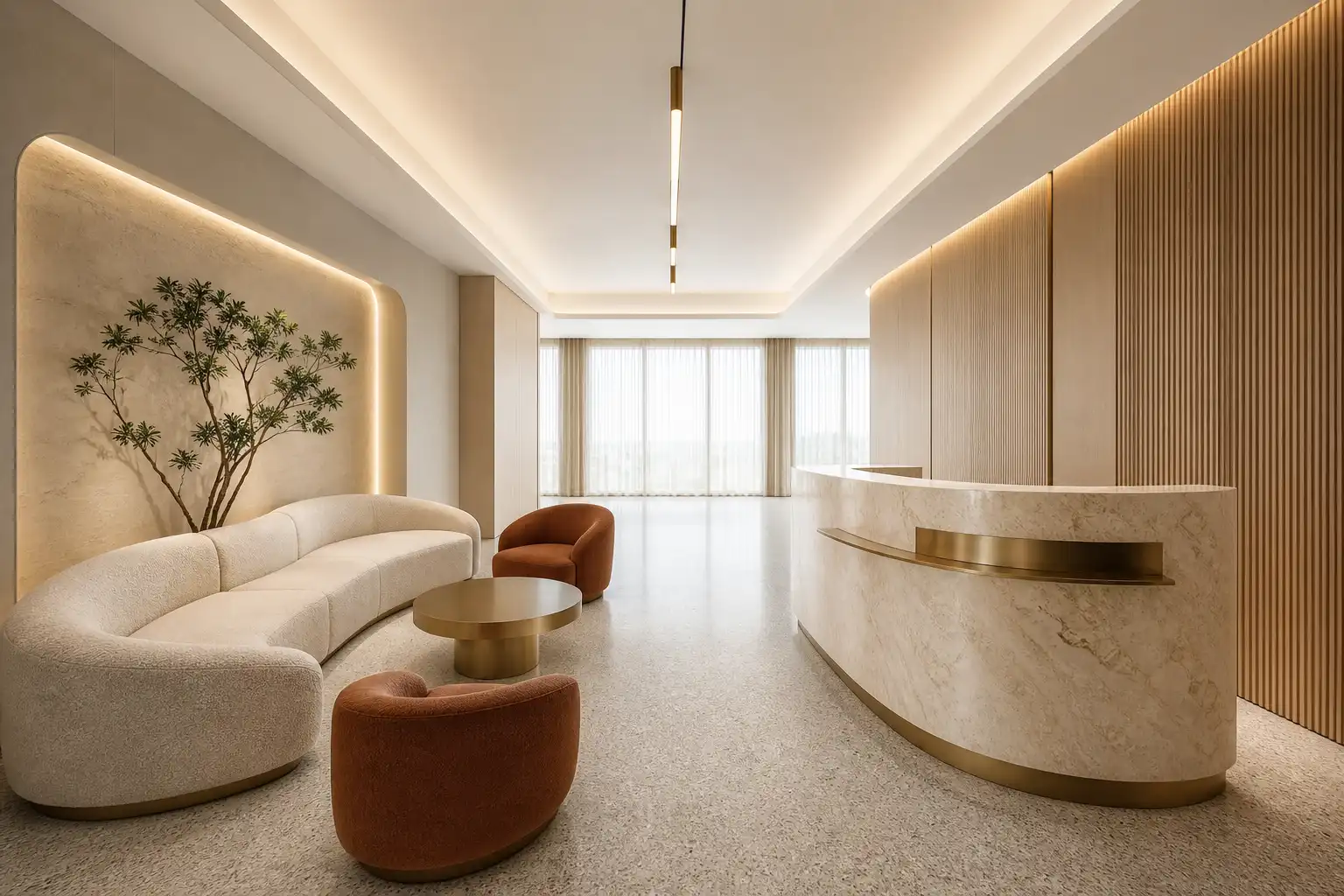
The above are the renderings of the fixed furniture for the 2026 gym project in Russia.
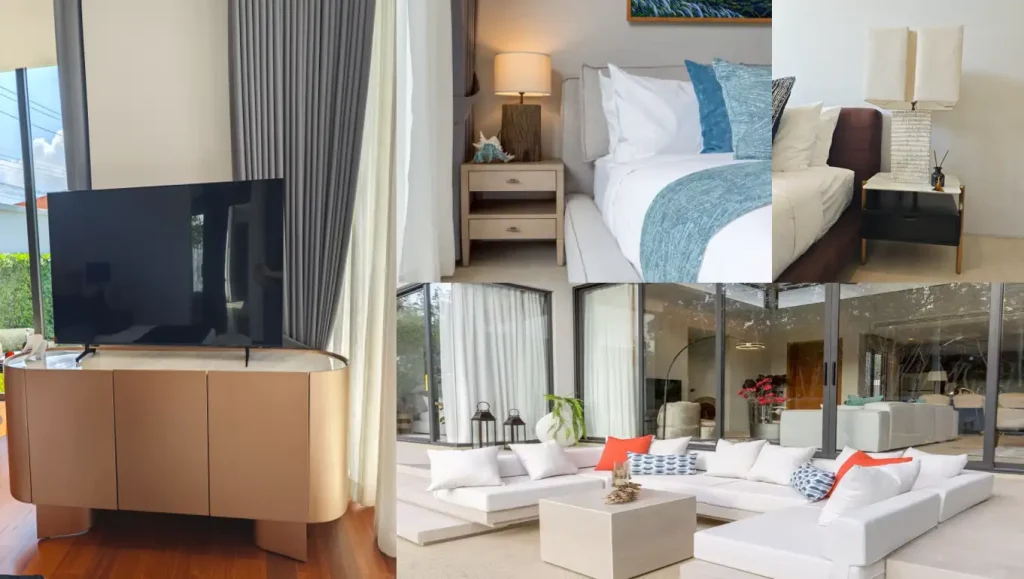
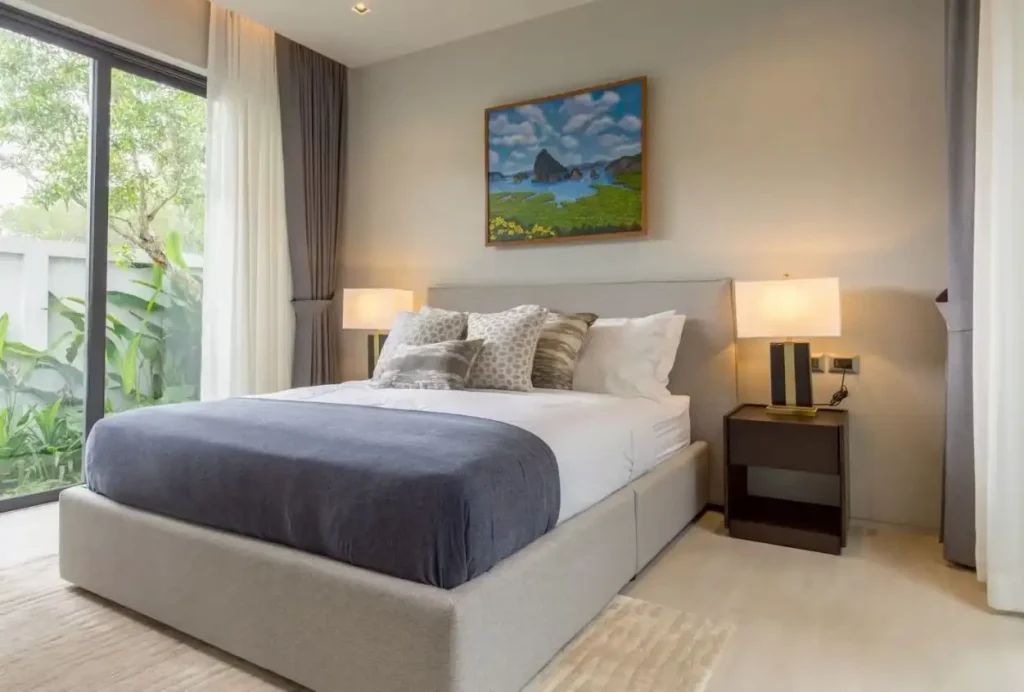
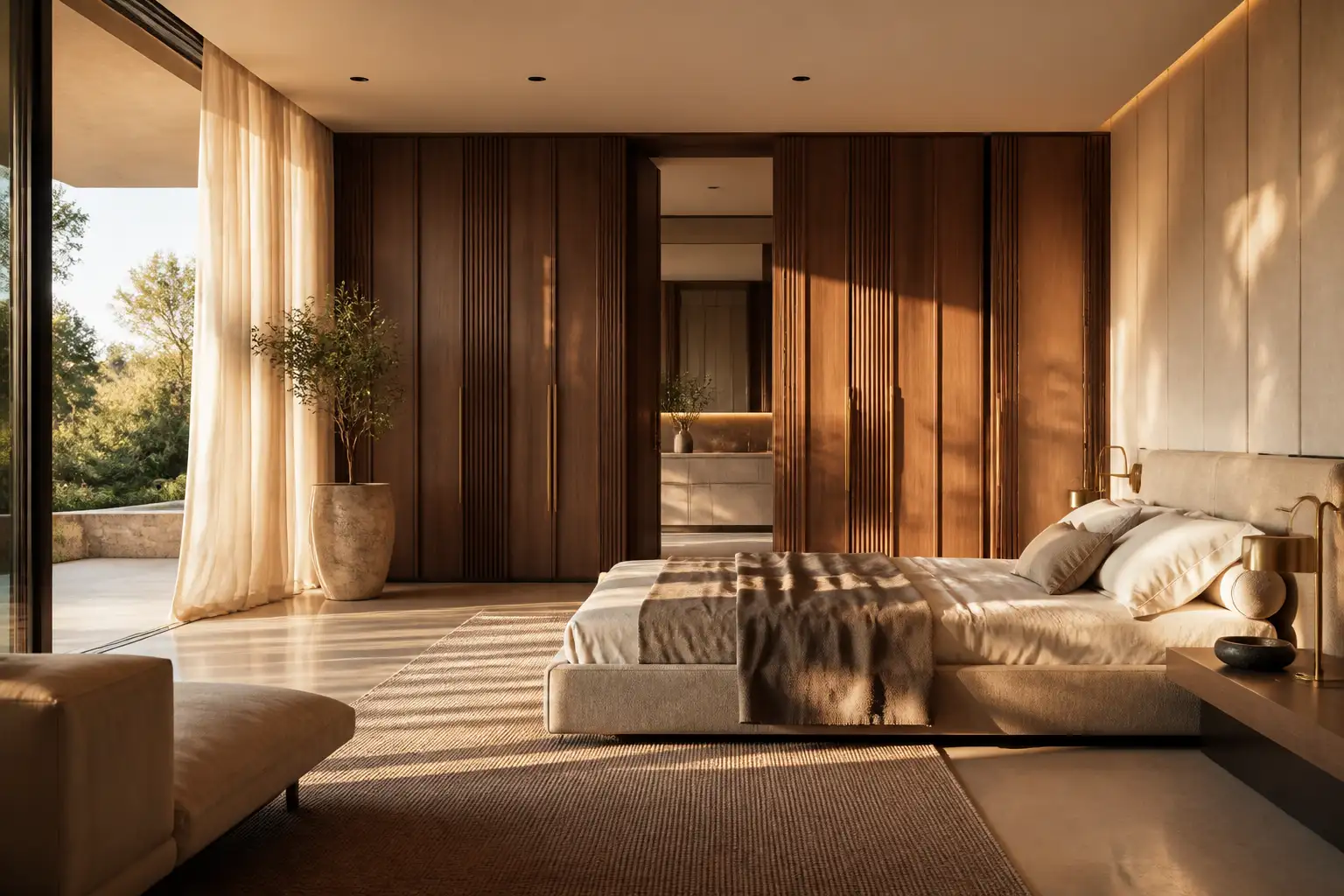
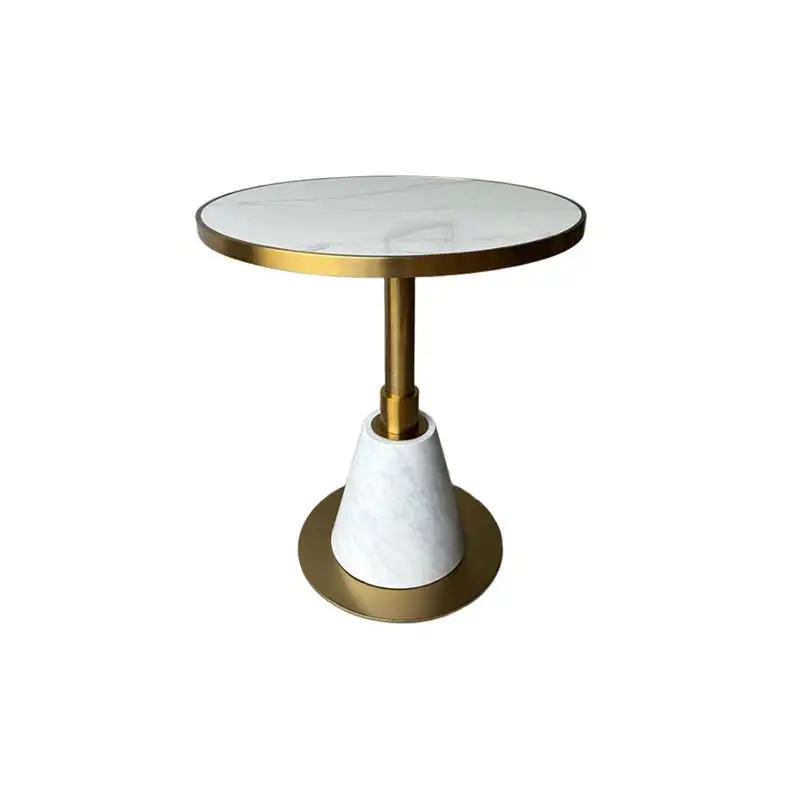
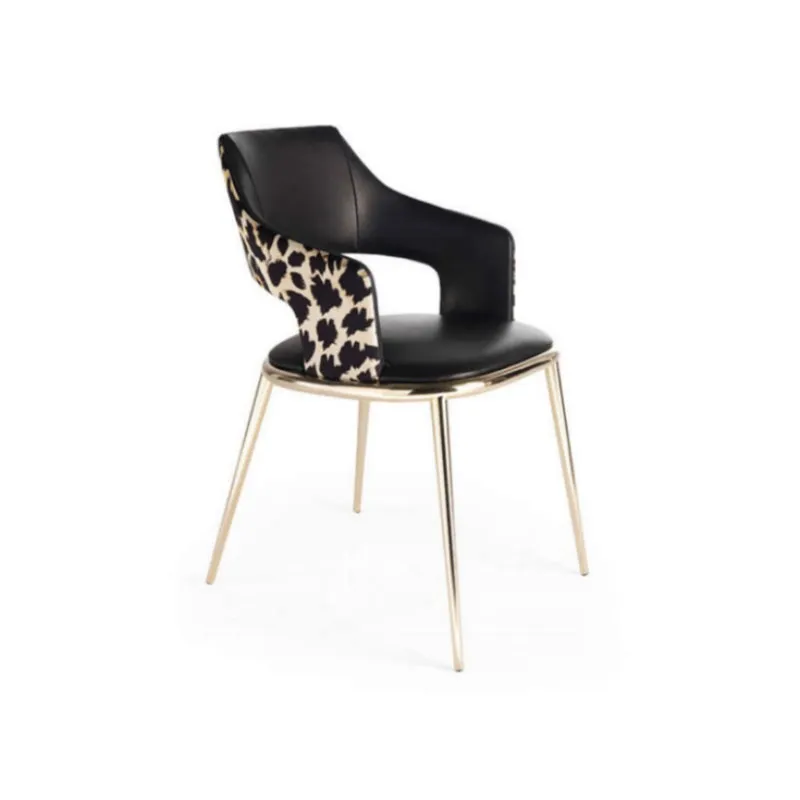
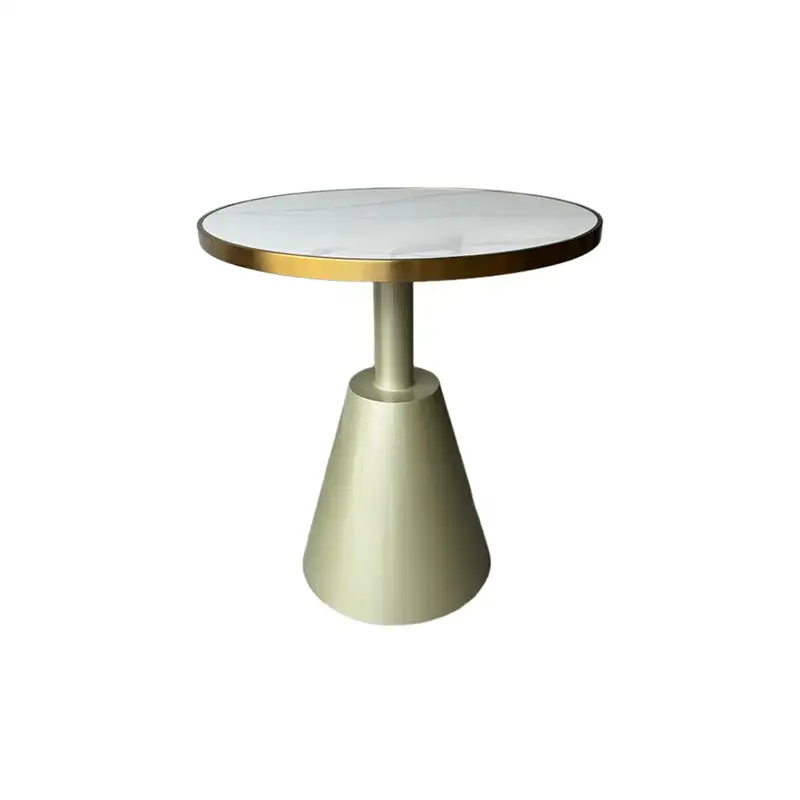
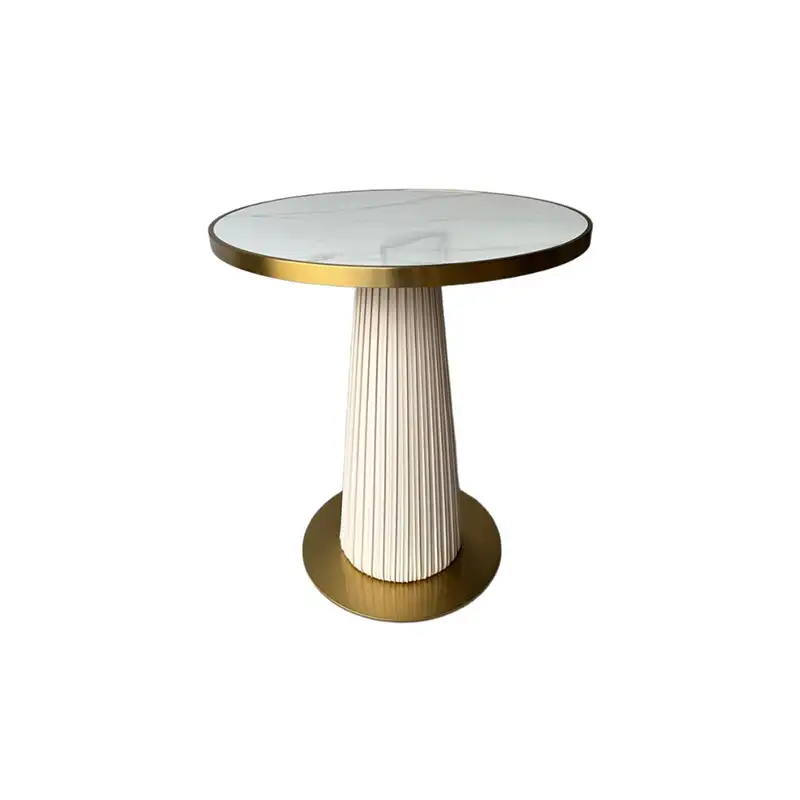
The above are actual photos of the loose furniture for the 2026 villa home furnishing project in Thailand.
Principle ③: Choose a Full-Category Furniture Factory to Reduce Management Overhead
Split sourcing may appear cheaper per item, but management costs are high:
- Multiple drawings, multiple contacts
- Multiple shipments, multiple customs clearances
- Style inconsistency and blurred accountability
A full-category furniture factory that covers both fixed and loose furniture saves you not just “price differences”—but time, energy, and risk. The true value of full-category coverage: from entry built-ins to indoor movable furniture, hard and soft furnishing seamlessly integrated—one project, one team, one quality standard.
Cost Priorities by Buyer Type
Whether you are a design firm, a villa owner, or a hotel furniture supplier sourcing for a chain, your priorities—and your risks—are different:
| Buyer Type | What Matters Most | Why |
| Design firms | Factory’s design deepening capability, not lowest unit price | Executing your design matters more than the lowest price |
| Villa owners | Material safety + installation support + ocean risk management | Ocean freight requires professional experience |
| Developers/builders | Batch consistency + on-time delivery | Showrooms demand uniform style across units |
| Chain brands | Solution replicability + easy maintenance | Multi-store rollouts need stable standards |

FAQ: Whole House Customization Cost Answered
Q1: How much does whole house customization cost?
There is no one-size-fits-all price, because every project differs in scope, materials, and shipping route. As a rule of thumb, budget for three cost modules: 50–60% for the furniture itself, 10–15% for design development and sampling, and 25–35% for international logistics and delivery. Send your drawings to get a project-based quotation.
Q2: What drives custom closet cost the most?
Material and hardware choices are the biggest lever, followed by structural complexity and finish. Built-ins such as custom wardrobes are produced to your exact dimensions, so drawing completeness and one sampling round directly protect you from expensive rework later.
Q3: Is sampling really necessary before mass production?
Yes—sampling is the most cost-effective step in the whole process. A 1:1 partial sample or a set of color swatches lets you verify materials, finish, and proportions before committing to a full batch, preventing a costly “wrong goods” outcome.
Q4: How do I choose a reliable custom furniture company for an overseas project?
Look for proven export experience, in-house design expertise, professional packaging, and installation support. Ideally, choose one that covers both fixed and loose furniture, so you manage a single team and a single quality standard from drawings to delivery.
Final Thoughts
A realistic whole house customization budget is not “quoted”—it’s developed step by step through requirement clarification → drawing alignment → sample approval → production coordination.
For a buyer planning a villa, showroom, or commercial project, the greatest value of working with a source factory that has 16 years of export experience is not the lowest price—it’s certainty of execution: backed by furniture factory direct pricing, transparent cost modules, and one accountable team from sample to installation.
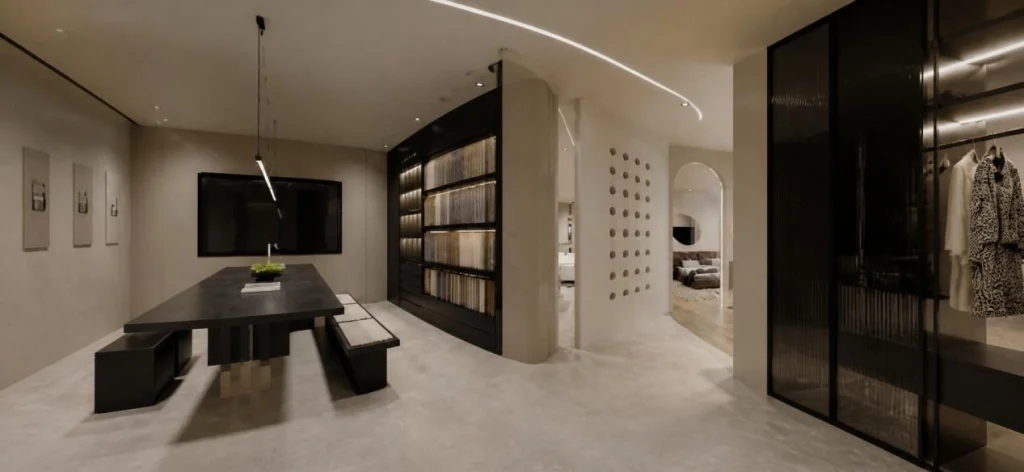
Bring your drawings and talk to our team. We don’t offer a one-size-fits-all price—we offer a well-considered cost proposal you can trust, with a clear breakdown you can verify line by line.
Hi, I’m the author of this post. With 16 years of furniture manufacturing experience, we have provided high-quality furniture solutions to more than 32,000 clients across 80 countries. We specialize in custom furniture, loose furniture, outdoor furniture, kitchen cabinets, wardrobes, full-house interior furnishing, and project furniture solutions. Our products and services are widely used in healthcare, hospitality, commercial, and educational projects. From product selection and space planning to custom manufacturing, installation, and project delivery, we help clients achieve efficient, high-quality procurement worldwide.
If you have any requirements, contact us for a free quote and discover a one-stop furniture solution tailored to your market.